
Hytera DMR Radio Systems
Scalable Digital Communication for Business & Mission-Critical Operations
Hytera DMR Radio Systems
Hytera DMR Radio Systems provide structured, scalable digital communication for organizations that require dependable, wide-area voice coverage. Supporting everything from conventional configurations to advanced trunked networks, these systems are designed to operate across facilities, campuses, cities, and multi-site environments.
What are DMR Radio Systems: DMR (Digital Mobile Radio) technology delivers clearer audio, improved spectrum efficiency, and more organized communication than traditional analog platforms. With multiple system architectures available, organizations can select the right solution based on coverage requirements, user capacity, and operational complexity — while maintaining room for future growth.
DMR Radio Systems are commonly used by:
- Utilities and infrastructure providers
- Manufacturing and industrial facilities
- Transportation and logistics operations
- Educational institutions and municipalities
Each system type offers a different balance of simplicity, capacity, and scalability.

Why Organizations Deploy DMR Radio Systems
Modern operations demand communication platforms that scale, adapt, and remain reliable under pressure.
Key Advantages:
✔ Clear Digital Audio
Improved clarity in high-noise environments and better performance at the edge of coverage areas.
✔ Efficient Spectrum Use
Support more users and conversations with fewer channels.
✔ System Scalability
Expand from single-site coverage to multi-site networks without replacing your entire system.
✔ Centralized Management
Greater visibility and control over users, talk groups, and system performance.
✔ Long-Term Investment Value
Reduced need for frequent upgrades and lower long-term operational costs.
DMR Radio Systems provide a digital foundation that evolves alongside your organization’s growth and operational complexity.
DMR Radio System Options
DMR Tier II Conventional
Simple and Reliable DMR Radio System
DMR Tier II Conventional is the foundation of many DMR Radio Systems. It provides direct radio-to-radio communication or repeater-assisted coverage using a straightforward channel structure.
This system is ideal for organizations that need reliable communication without complex networking or centralized switching.
Key strengths
-
Simple system architecture
-
Clear digital audio
-
Cost-effective deployment
-
Easy migration from analog systems


DMR IP Connect
Multi-Site DMR Radio Systems Over IP Networks
DMR IP Connect expands conventional systems by linking repeaters over IP networks. This allows multiple sites to operate as a single DMR Radio System, even when separated by large distances.
IP Connect uses existing network infrastructure to extend coverage without requiring complex trunking systems.
Key strengths
-
Wide-area coverage across multiple locations
-
Efficient use of existing IP networks
-
Seamless communication between sites
-
Scalable system design
XPT Trunking
Cost-Efficient Trunked DMR Radio Systems
XPT Trunking is designed for organizations that need higher capacity without the complexity of full trunking control channels. It dynamically assigns channels based on availability, improving efficiency while keeping system design simpler.
XPT Trunking bridges the gap between conventional systems and large trunked networks.
Key strengths
-
Improved channel efficiency
-
No dedicated control channel required
-
Reduced infrastructure complexity
-
Scalable DMR Radio Systems performance

DMR Tier III Trunking
Mission-Critical DMR Radio Systems
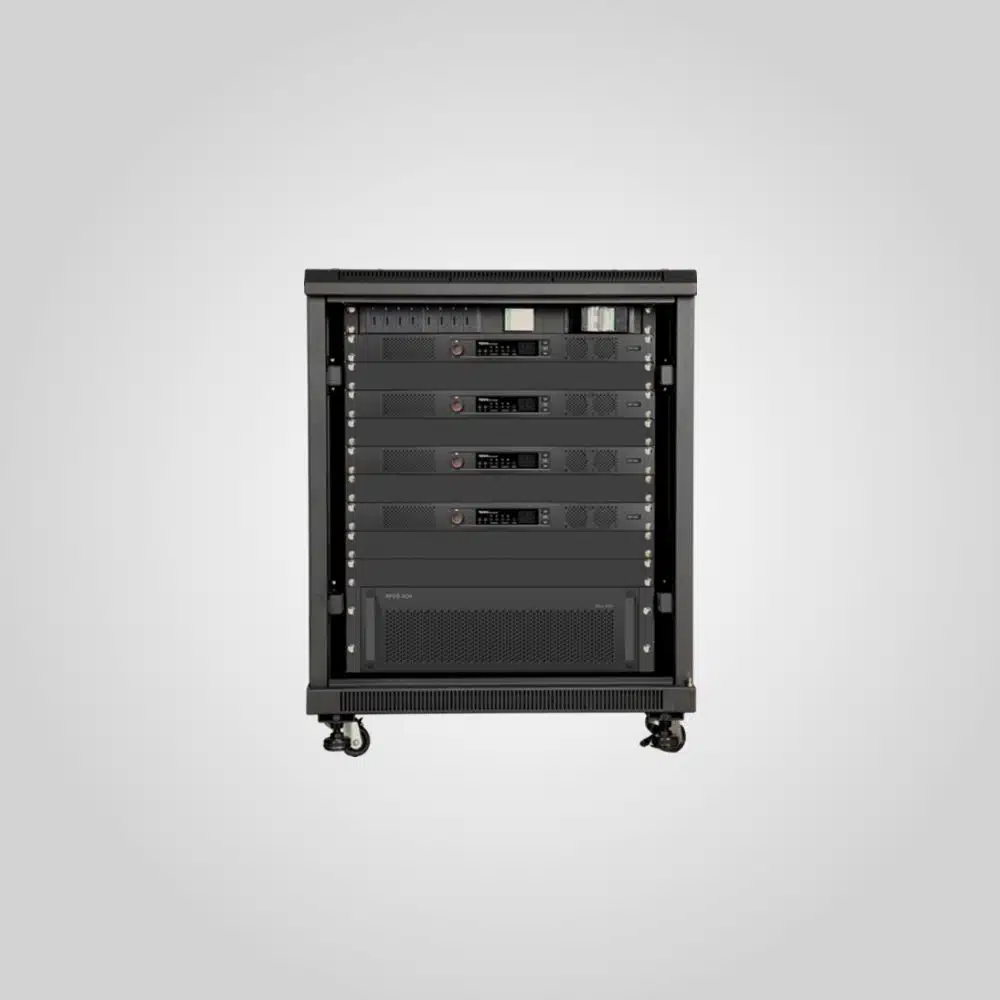
DMR Tier III Trunking is the most advanced DMR Radio Systems architecture. It provides centralized call control, dynamic resource allocation, and high system availability for large-scale and mission-critical operations.
Tier III systems are designed for organizations that require continuous operation, high user capacity, and advanced system management.
Key strengths
-
Centralized system control
-
High user and call capacity
-
Advanced redundancy and resilience
-
Mission-critical reliability
Choosing the Right DMR Radio System
Selecting the right DMR Radio Systems architecture depends on several operational factors.
Key considerations include:
- Number of users
- Coverage area and geography
- Single-site versus multi-site operations
- Call volume and traffic patterns
- Budget and long-term growth plans
Many organizations begin with conventional systems and transition to IP Connect, XPT, or Tier III as needs increase.
Reliability, Coverage, and Performance
DMR Radio Systems are designed for consistent performance in demanding environments. Digital technology improves resistance to interference and maintains audio clarity at coverage edges.
Benefits include:
- Reduced dropped calls
- Stable communication during peak usage
- Predictable system behavior
- High uptime for critical operations
Reliable systems support safety, productivity, and operational confidence.
Why Choose Kelrad?
- 150+ Years of Combined Experience
- Top Quality Product & Services
- Exceptional Customer Service
- Competitive Pricing
- Quick Turnaround
Speak With a Radio Specialist Today
Get expert guidance and a customized system recommendation for your operation.
Our Partners







Our Customers
Partnering for Performance
At Kelrad, we don’t just sell hardware; we build the lifelines that keep your teams safe and synchronized. From public safety dispatch to large-scale event logistics, we are proud to support the organizations that keep Georgia moving.